

Inside a therapeutic garden session: what it actually looks like
An hour-by-hour walk-through of a NatureWhole therapeutic horticulture session in a mental-health setting, from arrival and grounding to the work and the mood check-in.
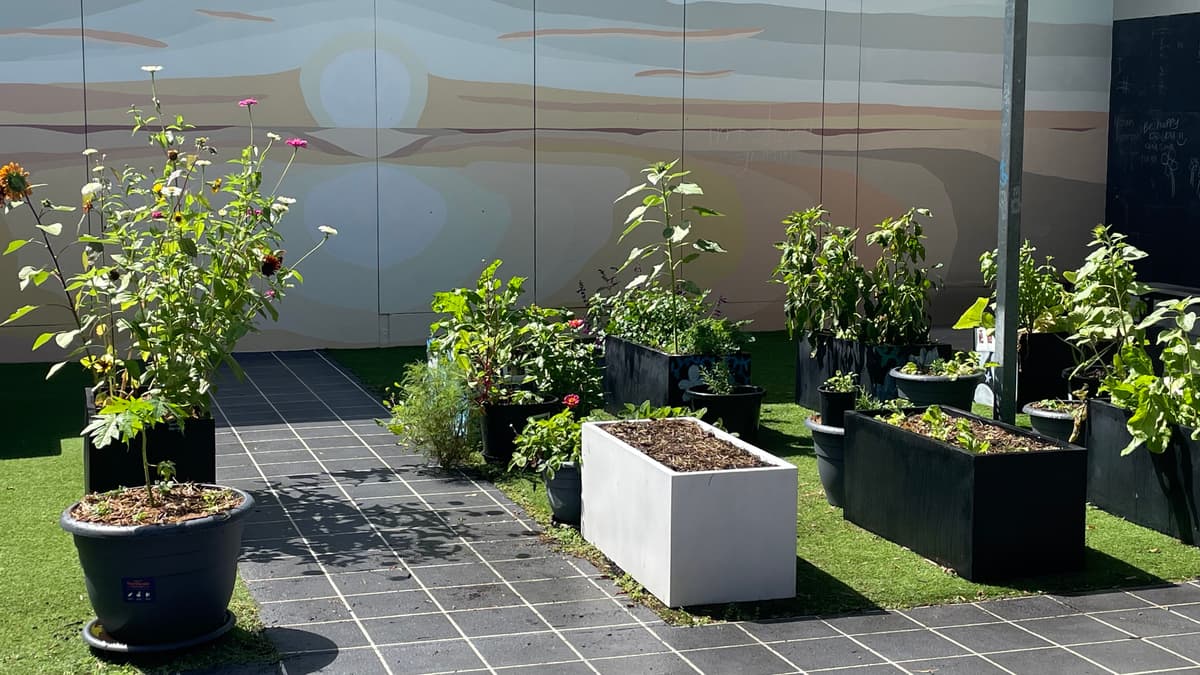
People often ask me what a therapeutic garden session is actually like. They picture something vague, a bit of weeding, maybe, a nice chat in the sun. The reality is more deliberate, and quieter, and stranger than that. So let me take you inside one, hour by hour, the way it unfolds at a place like the Kamala Child & Adolescent Mental Health Unit at Lismore Base Hospital, where I run sessions in the garden.
Names and details here are composites, drawn from many sessions rather than any one young person. But the shape of the morning is true.
Before anyone arrives
I get there early. A session starts long before the participants do.
I walk the beds and check what the garden is offering that day, what’s ready to harvest, what needs water, where the soil is workable, what’s flowering. The garden is the co-facilitator, and I need to know its mood before I can read anyone else’s. I lay out tools in the open, never hidden, so nothing feels clinical or withheld. Gloves in a row. A jug of water. Seedlings in their trays, a little vulnerable-looking, which is the point.
Then I do the thing that matters most and is hardest to describe: I slow my own nervous system down. Young people in an inpatient unit are exquisitely sensitive to adult anxiety. If I arrive rushed, the garden can’t do its work. So I stand still for a minute and let my shoulders drop.
Arrival: the first ten minutes
They come out in ones and twos, often reluctant. Some have barely slept. Some are flat, some are wired, some are convinced this is going to be pointless. I don’t try to talk them out of any of that.
The first move is always sensory, not verbal. Conversation asks a lot of someone who is struggling; the senses ask almost nothing.
- We crush a sprig of rosemary or lemon balm between our fingers and just smell it.
- We push our hands into a bag of compost and notice the temperature, the texture, the surprising warmth of it.
- We listen, and there’s a moment where someone realises they can hear birds they hadn’t noticed, and that the unit’s fluorescent hum is gone.
This is grounding in the most literal sense. It pulls attention out of the spinning head and into the body, into the present, into the soil. I rarely name it as a “technique.” I just do it alongside them, and they follow.
The work itself: the middle hour
Once people are in their bodies, we work. And it has to be real work, not busywork. Young people can smell a token activity from across the yard.
The garden doesn’t know you’re a patient. It just needs the same thing from you that it needs from anyone: attention, gentleness, and a willingness to come back tomorrow.
That’s the quiet lesson underneath everything. A seedling responds to care without judgement and without conditions. You can’t fail at being kind to a plant. For someone whose self-talk is brutal, that’s a profound experience to have in their hands.
The tasks themselves are chosen to match capacity:
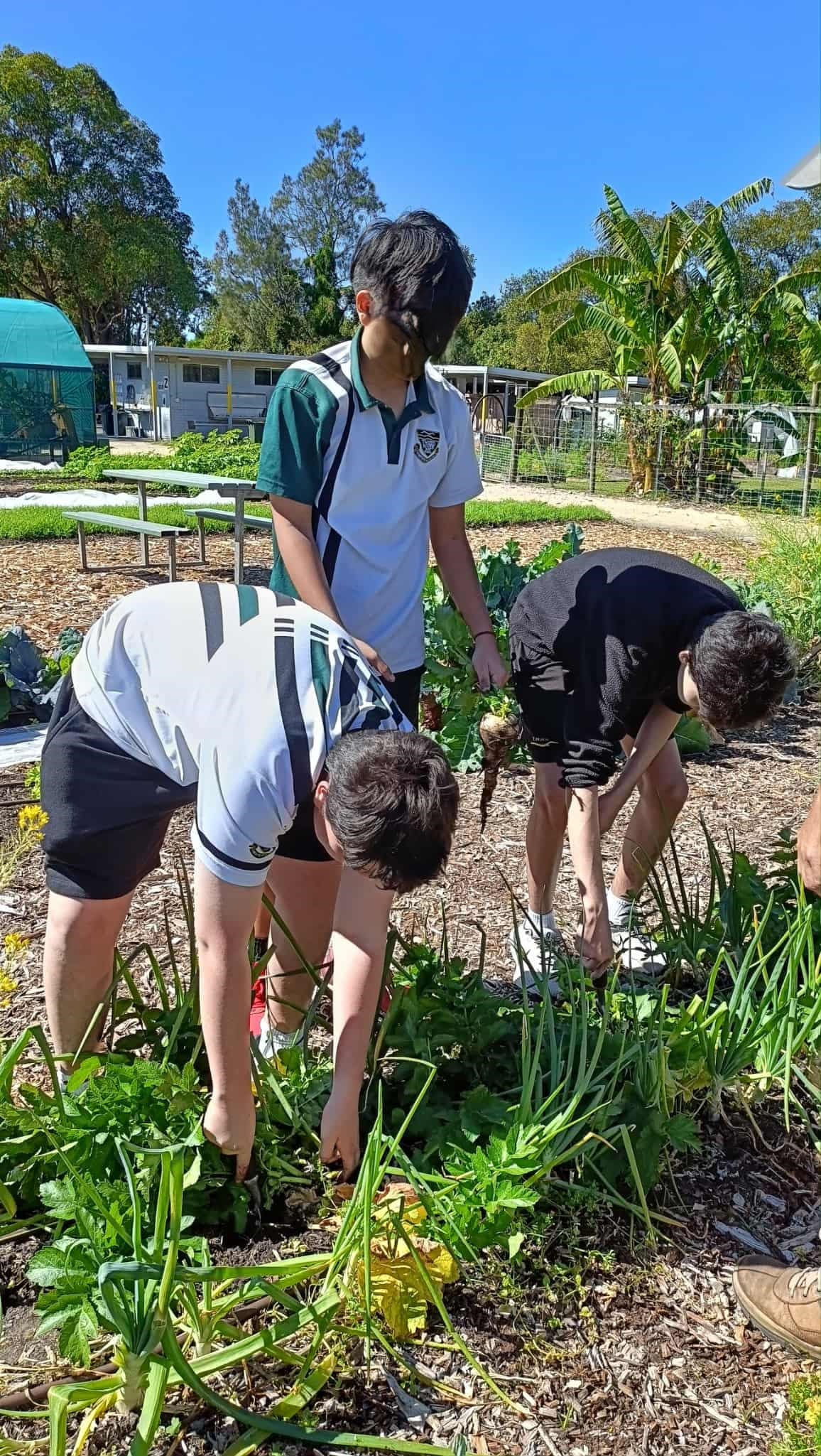
- For the depleted, something rhythmic and low-stakes, potting on seedlings, gently firming soil, watering.
- For the agitated, something physical that absorbs energy, turning a bed, moving mulch, breaking up clods.
- For the disconnected, something with a future in it, sowing seed they’ll see germinate, or planting something that will outlast their admission.
The research backs up what the garden teaches. A 2022 meta-analysis of randomised controlled trials in the Journal of Psychiatric and Mental Health Nursing (Tu and colleagues) found horticultural therapy had a meaningful positive effect on mental health, with the strongest results among inpatients in care settings. A separate randomised trial of psychiatric inpatients, published in Scientific Reports, found that several weeks of horticultural therapy significantly reduced anxiety compared with standard care. These aren’t soft outcomes. They’re measurable.
The mentoring moments
The conversations, when they come, come sideways. This is the part I wish more people understood.
Nobody opens up because you’ve sat them down and asked them to. They open up while their hands are busy and their eyes are on the soil, not on you. Side by side, not face to face. The plant becomes a third thing in the room, something safe to look at, something to talk through.
So a young person tells me, while teasing apart a root-bound seedling, that they feel root-bound too. And we talk about that, not as a metaphor I imposed but as one they reached for themselves. A girl who hasn’t spoken much all admission explains, very seriously, how to deadhead a marigold, and in teaching me she is, for ten minutes, competent, generous, an expert. I let her be that. These are the community sessions where the real shifts happen, and they almost never look like therapy from the outside.
The check-in: last ten minutes
We finish the way we started: deliberately. We wash hands, look at what we made, sometimes harvest something to take inside. And we do a simple before-and-after mood check.
At Kamala, I ran exactly this kind of check around a single therapeutic garden session, and the results still move me. Before the session, some participants rated their mood as “low” or “average.” Afterwards, those ratings dropped to zero. One hundred per cent of participants reported a “good” or “great” mood by the end. Those reporting a “great” mood rose from 6% to 50%.
One session. One morning in the garden. I don’t share that to claim the garden fixes anything on its own. It doesn’t, and it works best woven into proper clinical care. But it tells you something true about what an hour of attention, soil, and being treated as capable can do for a young person in distress.
Why it works
If I had to compress it: the garden offers un-pressured presence, useful work, and unconditional response. It asks for engagement without demanding performance. It rewards care without judging the carer. And it lets healing happen sideways, in the body and through the hands, which is often the only way it can happen at all.
That’s the same logic behind everything we do, whether in a hospital unit, in our Therapeutic Garden Program, or out in nature with students through the School Program.
If you work in a mental-health, education, or care setting in Northern NSW and want to talk about what a program like this could look like for the people you support, book a call or get in touch. I’m always happy to walk you through it properly.
- therapeutic horticulture
- mental health
- case study
- nature therapy