


A safe, purposeful space to regulate and reconnect.
Through consistent, hands-on engagement and therapeutic support, the program provides a safe, purposeful space where people of all ages and abilities can regulate, connect and build confidence. The structured nature-based work becomes more than an activity: it supports emotional regulation, resilience and the development of a positive sense of self.
The program runs across health, mental-health and specialised care settings for all ages. The results below come from one of them: Kamala, a child and adolescent inpatient unit.
Mood improvement following a garden session
100% of participants improved to a “good” or “great” mood
“Great” mood increased from 6% to 50%
“Average” and “low” moods reduced to 0%
A clear, immediate wellbeing benefit from garden-based engagement
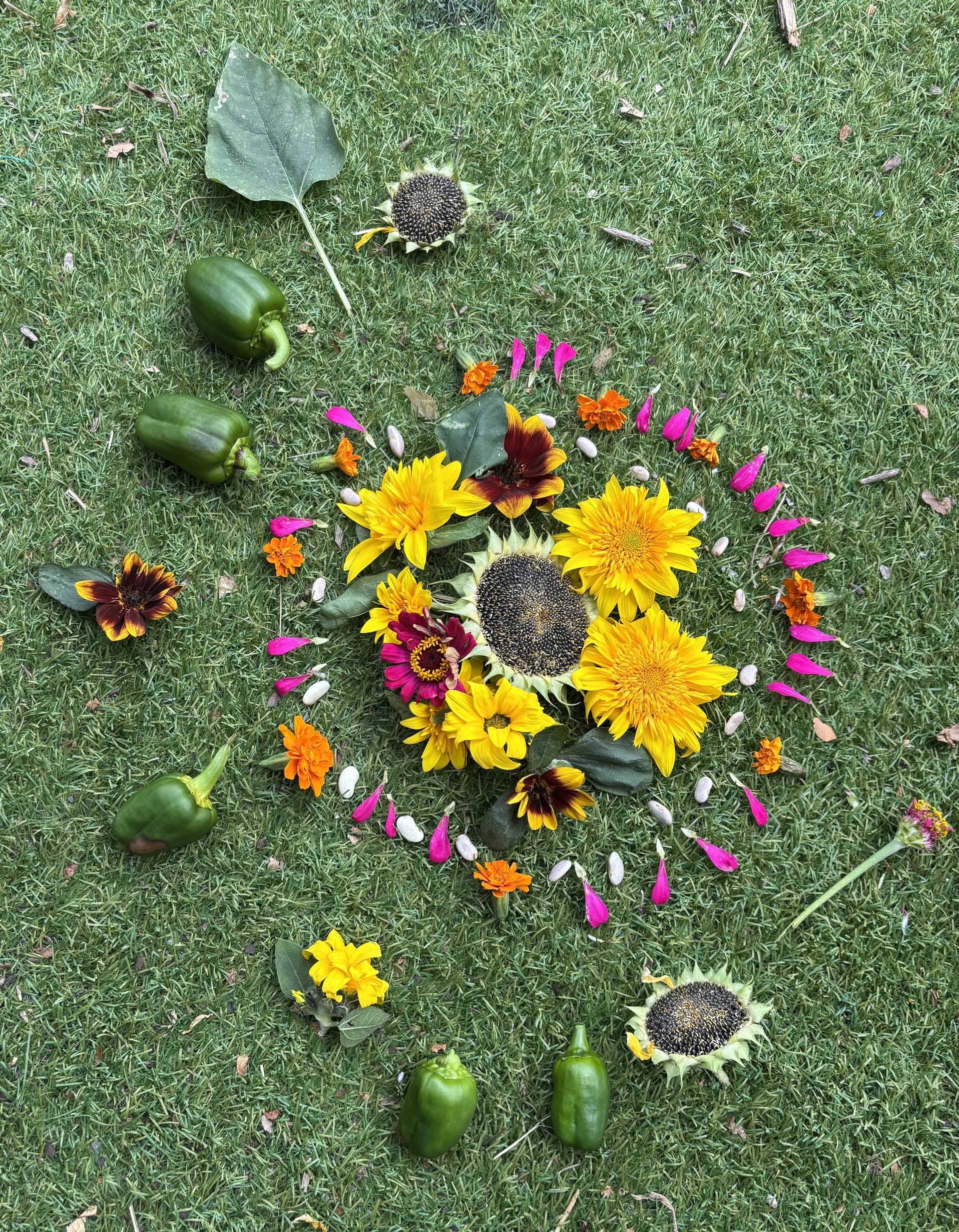
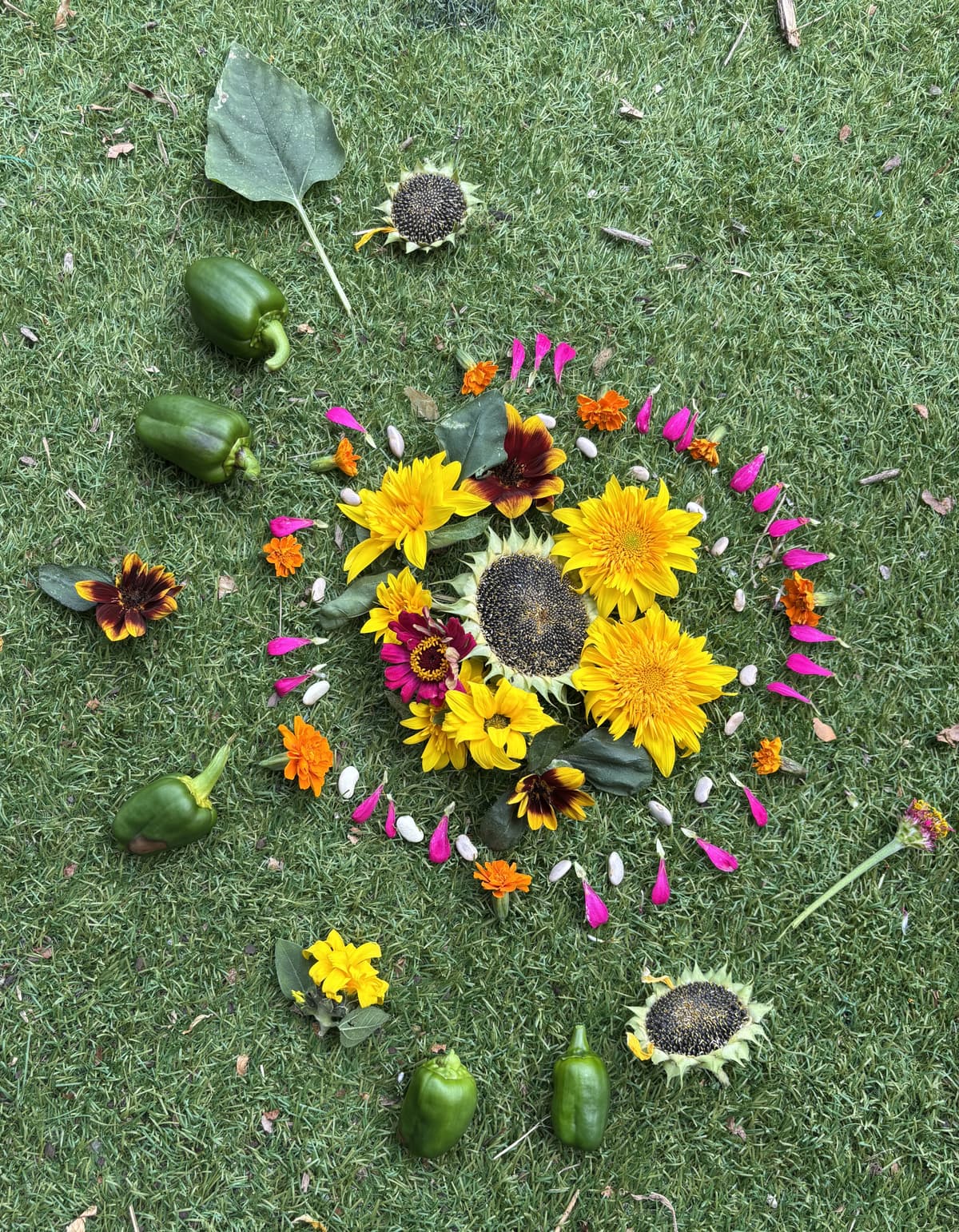
From a small courtyard to a colourful happy place.
Raised beds planted with herbs, vegies and flowers every week. The work is ordinary, and that's exactly why it holds.
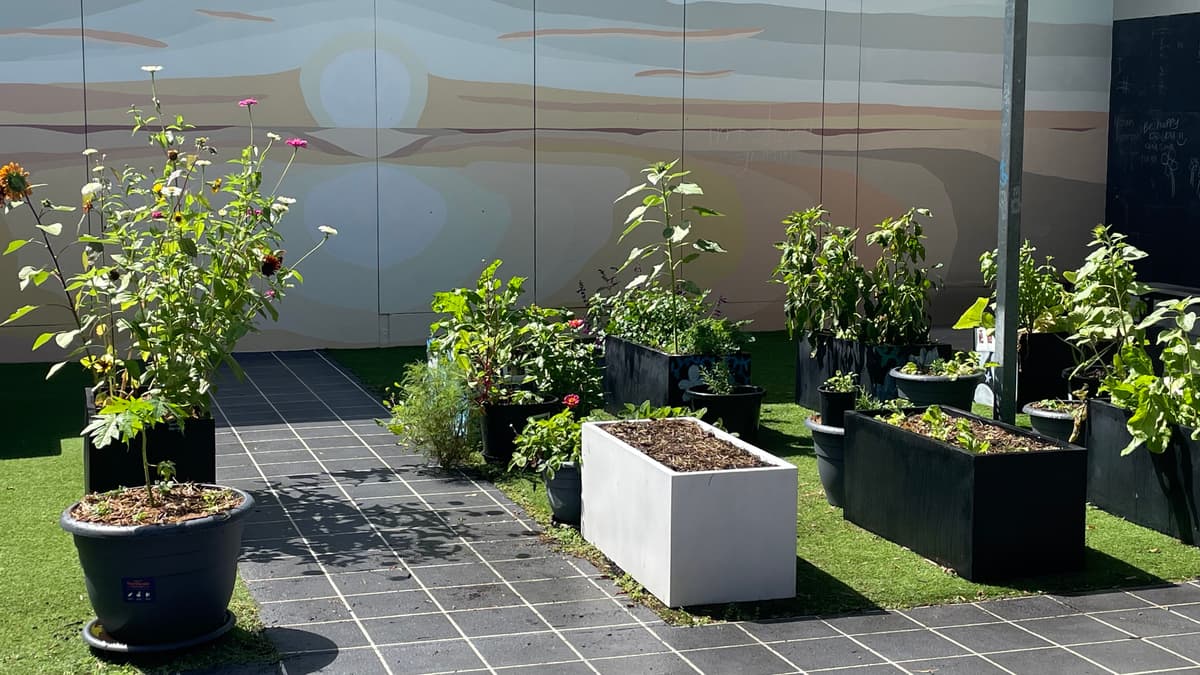

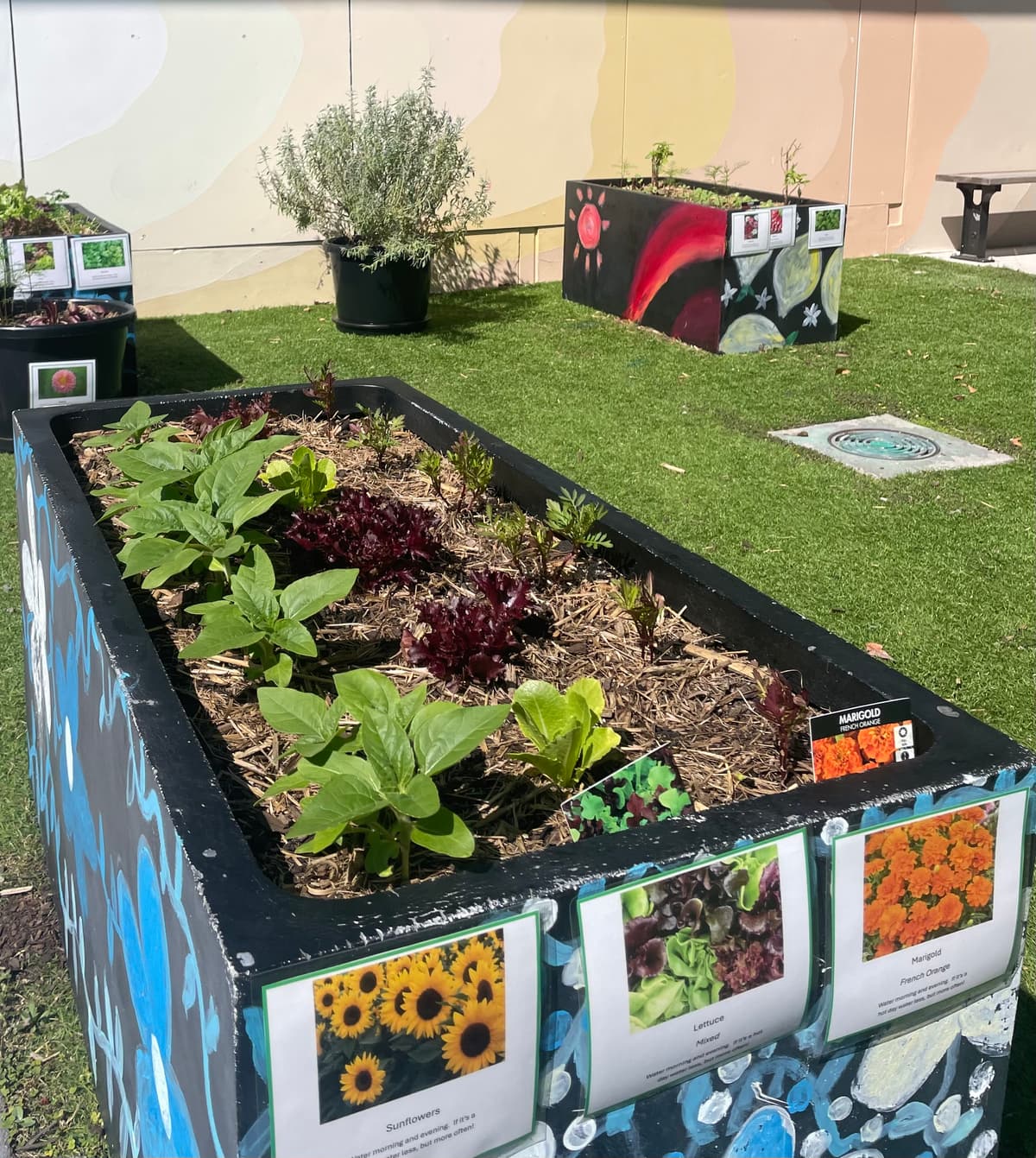
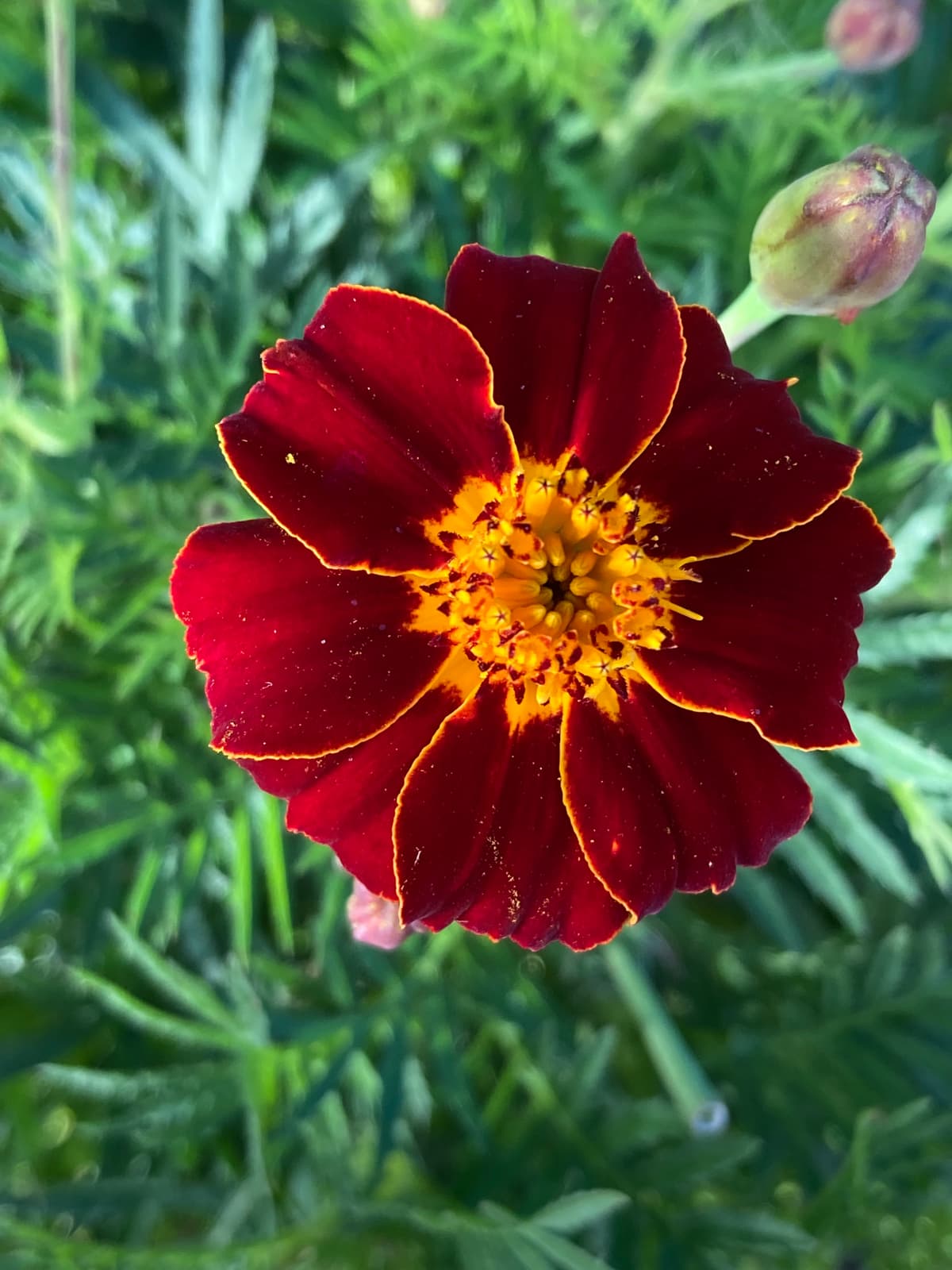

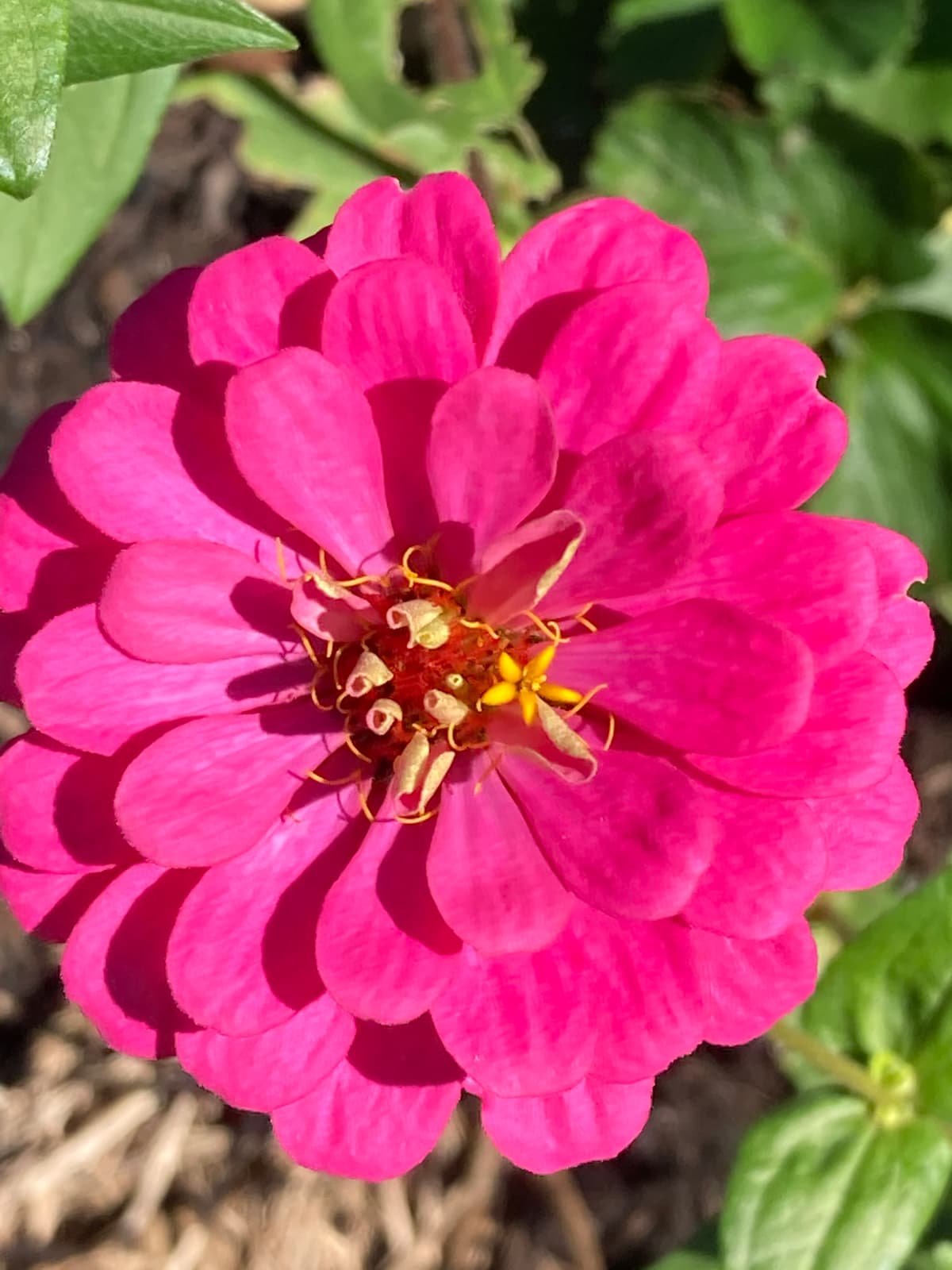
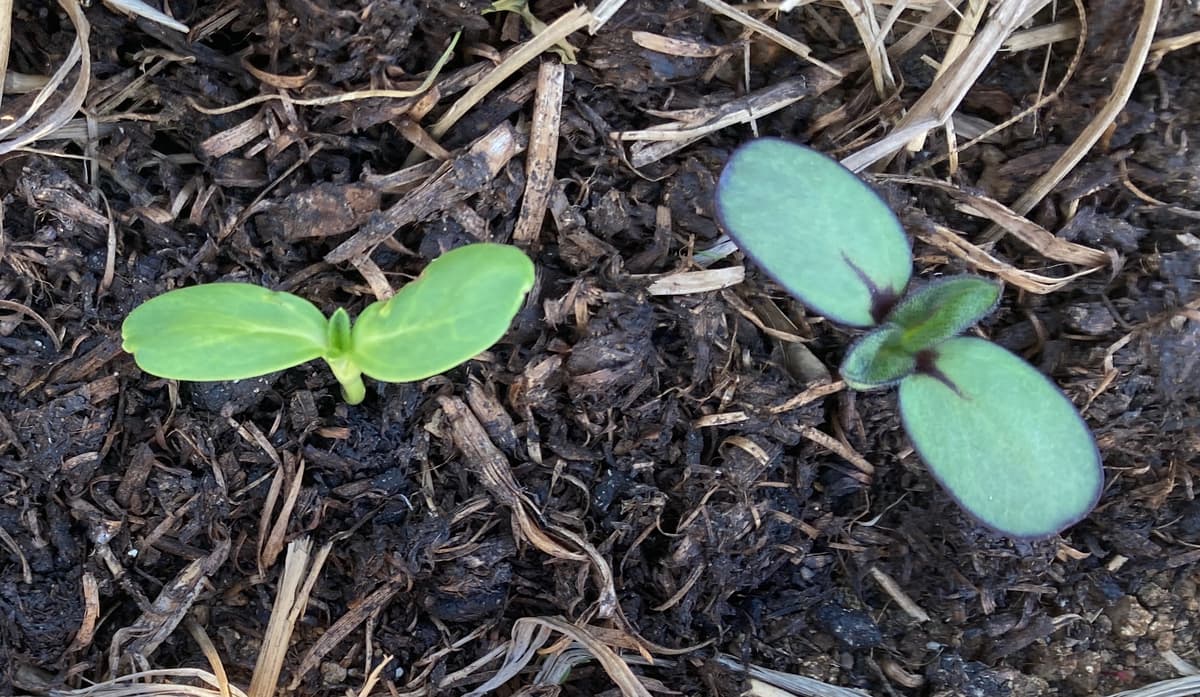
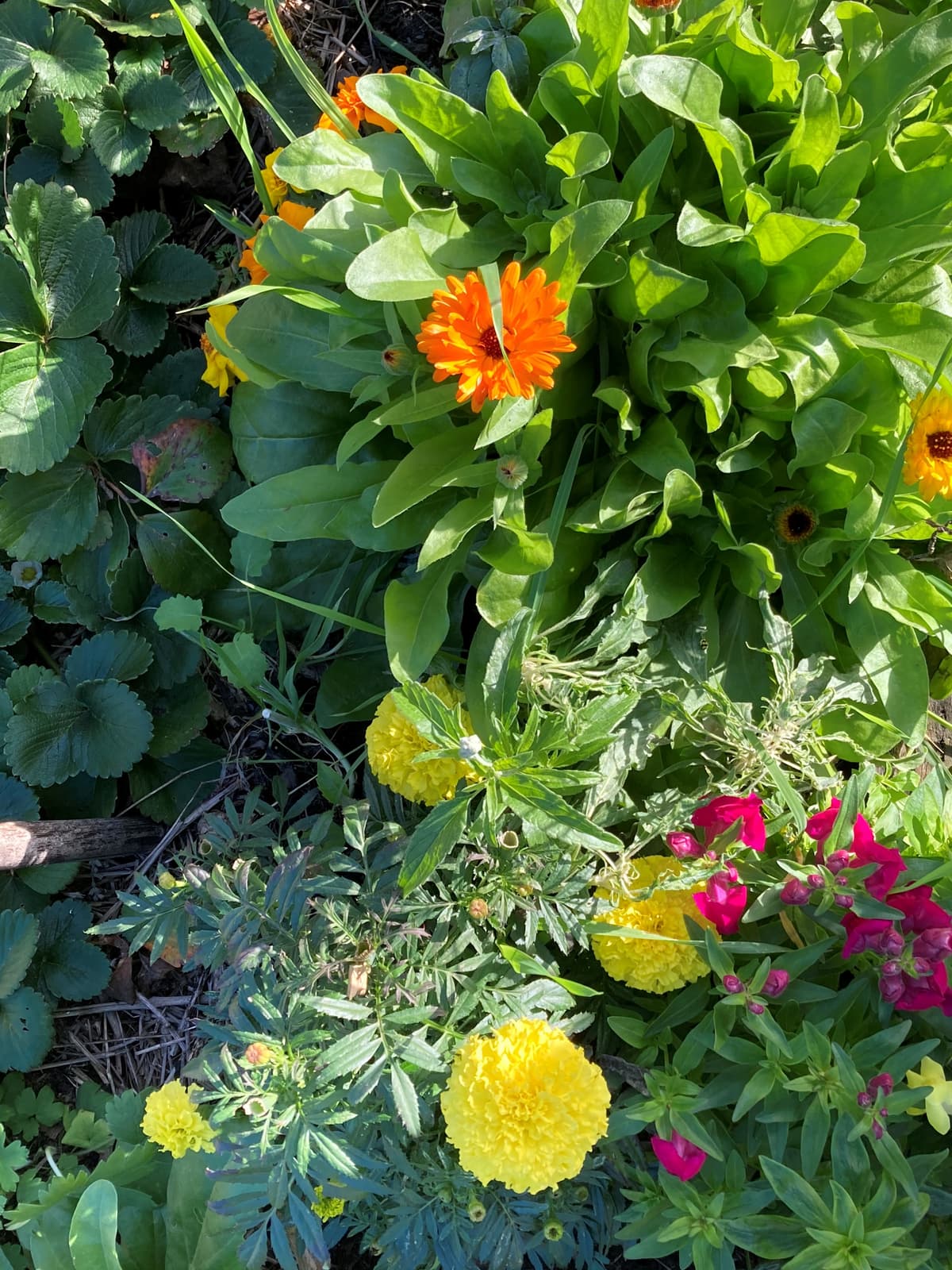


Prior to the session, most participants reported average or low mood states. Following the garden session, all participants reported improved mood, concentrated in the good and great categories, demonstrating a strong, immediate positive effect on emotional wellbeing, engagement and mental health.
Survey adapted from Field, V., Gray, K., & Coombs-Valeontis, K. (2019). Nature heals: An introduction to nature-based therapies in Australia and New Zealand (p. 159).At Kamala, we have seen the NatureWhole program create meaningful and lasting change for the young people involved. It supports emotional regulation, resilience and the development of a positive sense of self, with improved attendance, participation and overall wellbeing, alongside a growing sense of pride and belonging.
From the journal: inside a therapeutic garden session and the evidence in adolescent mental health.
Good to know.
Health, mental-health and specialised care settings, for people of all ages and abilities.
No. The program runs for all ages. The published results come from one setting, Kamala, which is a child and adolescent inpatient unit at Lismore Base Hospital.
Consistent, hands-on engagement with therapeutic support: raised beds planted with herbs, vegies and flowers, week after week. The work is ordinary, and that is exactly why it holds.
100% of participants improved to a good or great mood. Those reporting a great mood rose from 6% to 50%, and average and low moods reduced to 0%.
Participants self-assessed their mood before and after a single garden session on a 1–10 scale: Great (9–10), Good (6–8), Average (3–5), Low (1–2). The survey is adapted from Field, Gray & Coombs-Valeontis (2019), Nature heals.
Bring it to your setting.
No pitch, no pressure. Just a conversation about your place and your people.