

A single, structured model, grounded in real work.
To improve student engagement, wellbeing and learning outcomes through structured, hands-on, nature-based learning that supports inclusive education, positive behaviour and meaningful curriculum delivery.
The NatureWhole School Program addresses a core challenge facing secondary schools: improving student engagement, wellbeing and behaviour without increasing staff workload or fragmenting curriculum delivery. Rather than operating as an add-on, NatureWhole integrates curriculum, wellbeing and staff practice into a single on-site model grounded in real work, real responsibility and consistent relationships.
- Delivery
- From half a day to a full day per week, over one school term
- Location
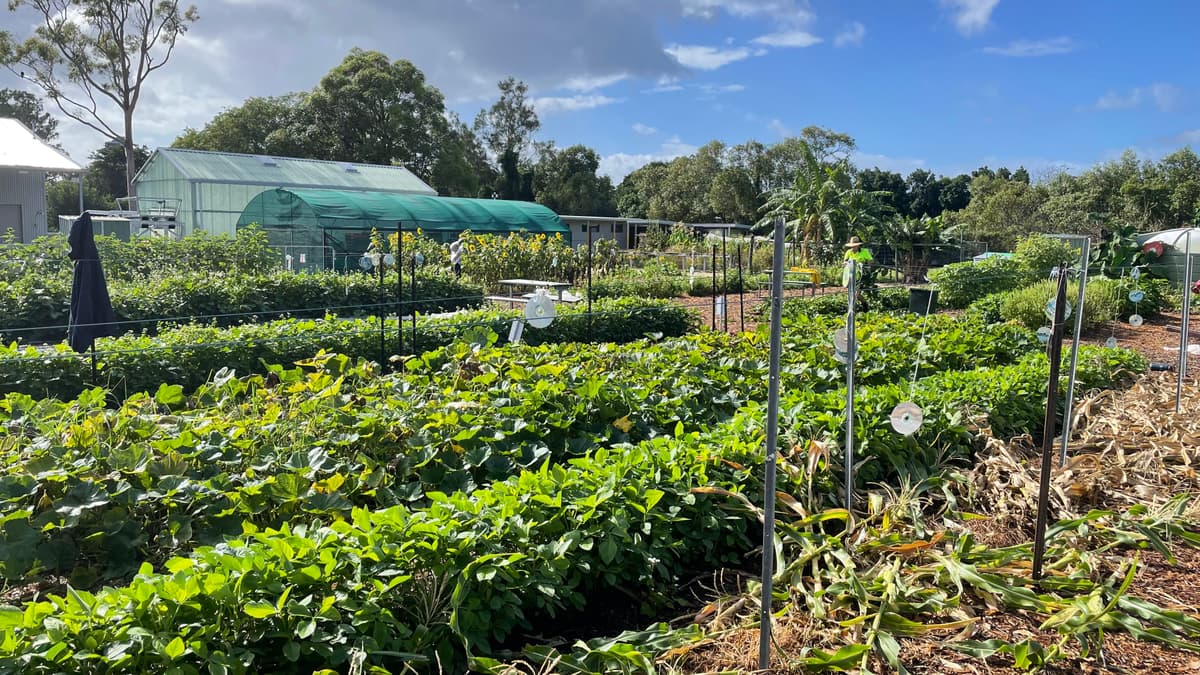
- On-site, using existing or purpose-built garden & farm environments
- Participants
- Years 1–12, Support Unit cohorts, teaching & support staff
- Partnership
- Delivered with school leadership & wellbeing teams
Three things that make it work.
Engagement through responsibility
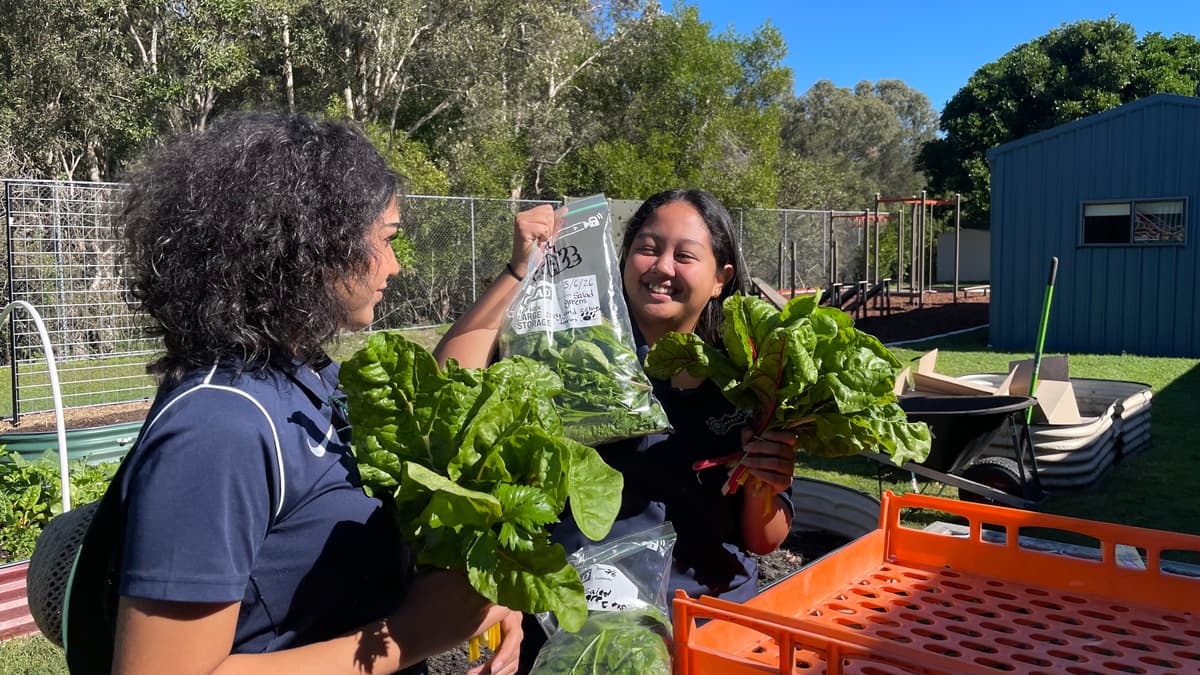
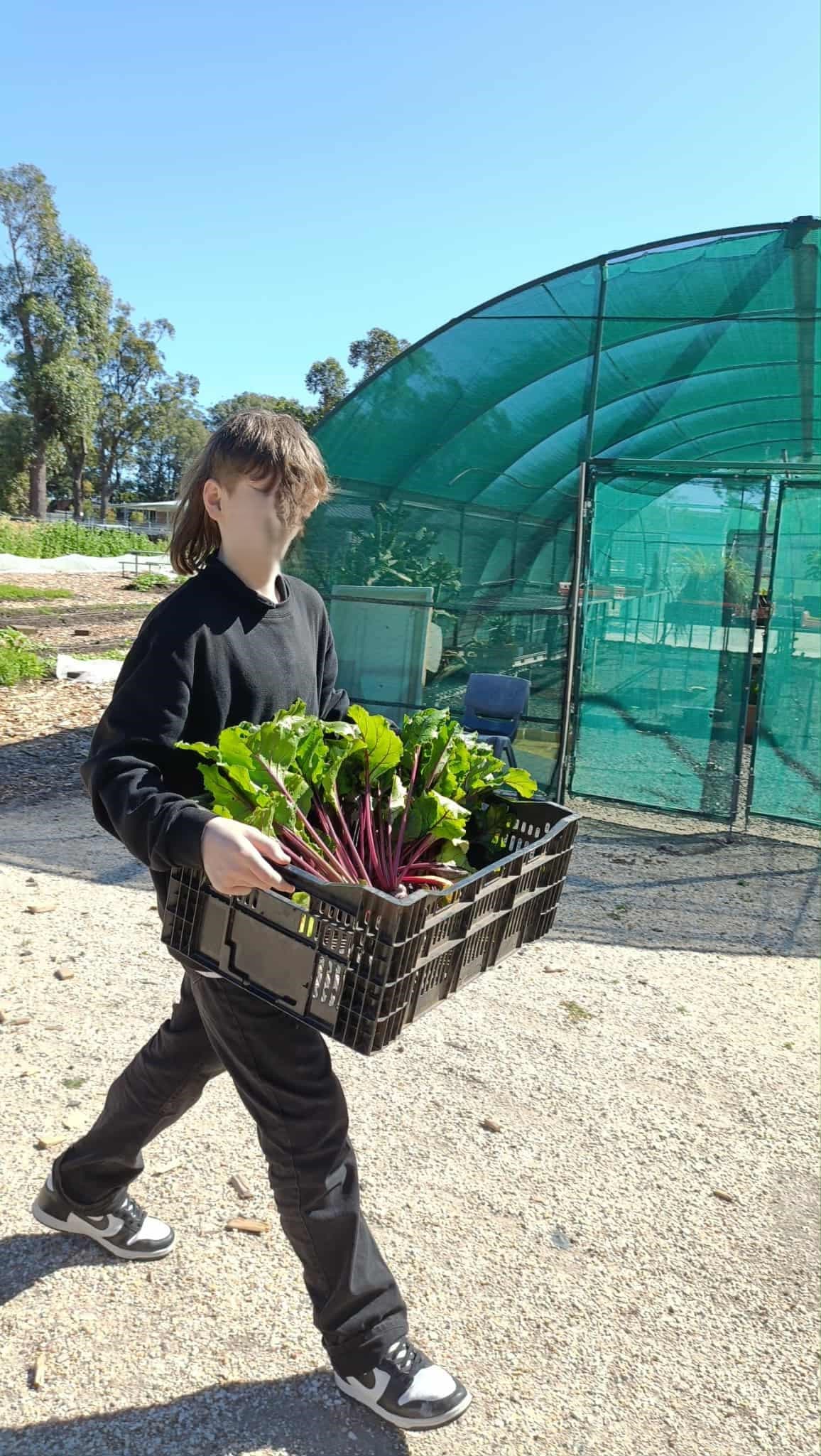
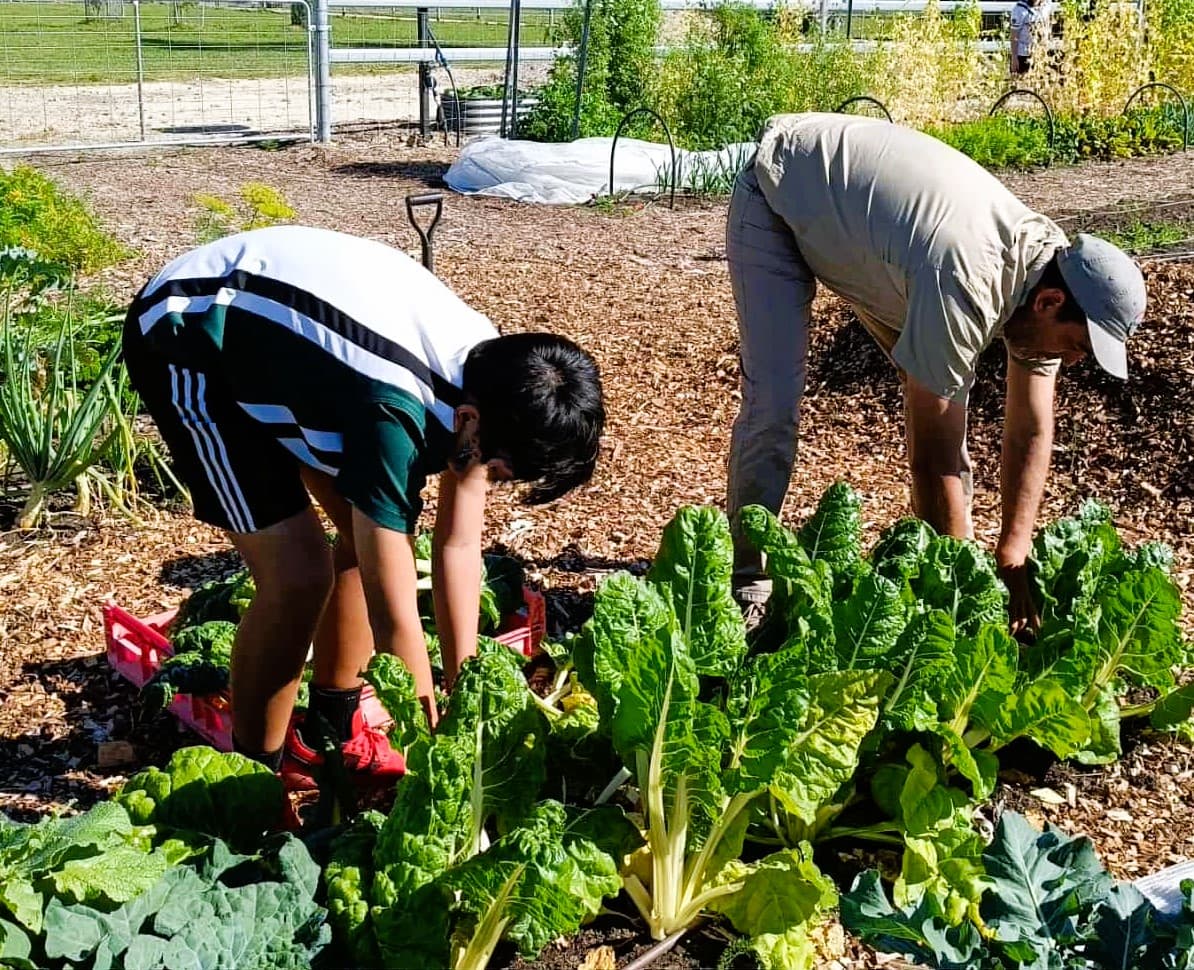
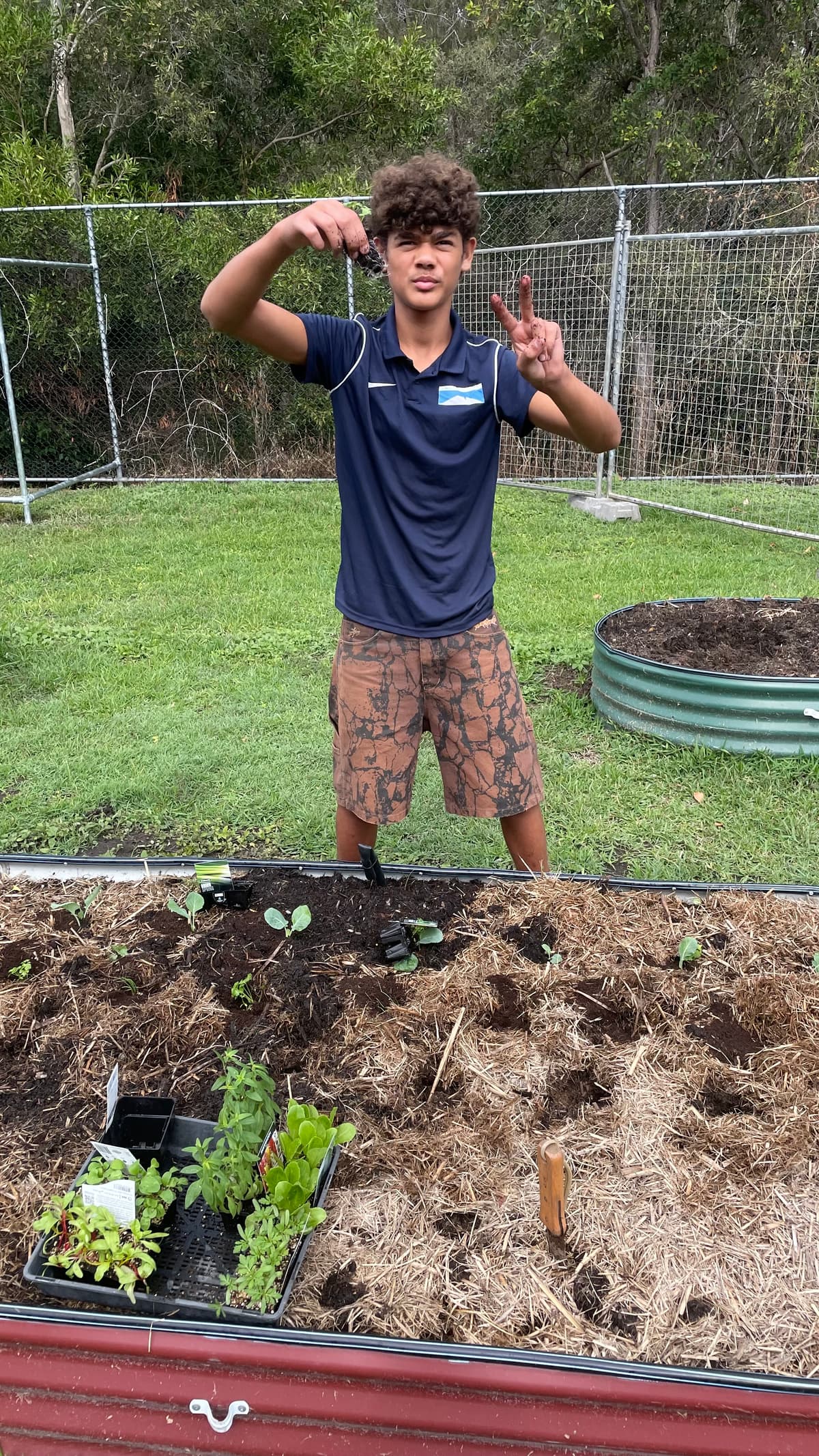
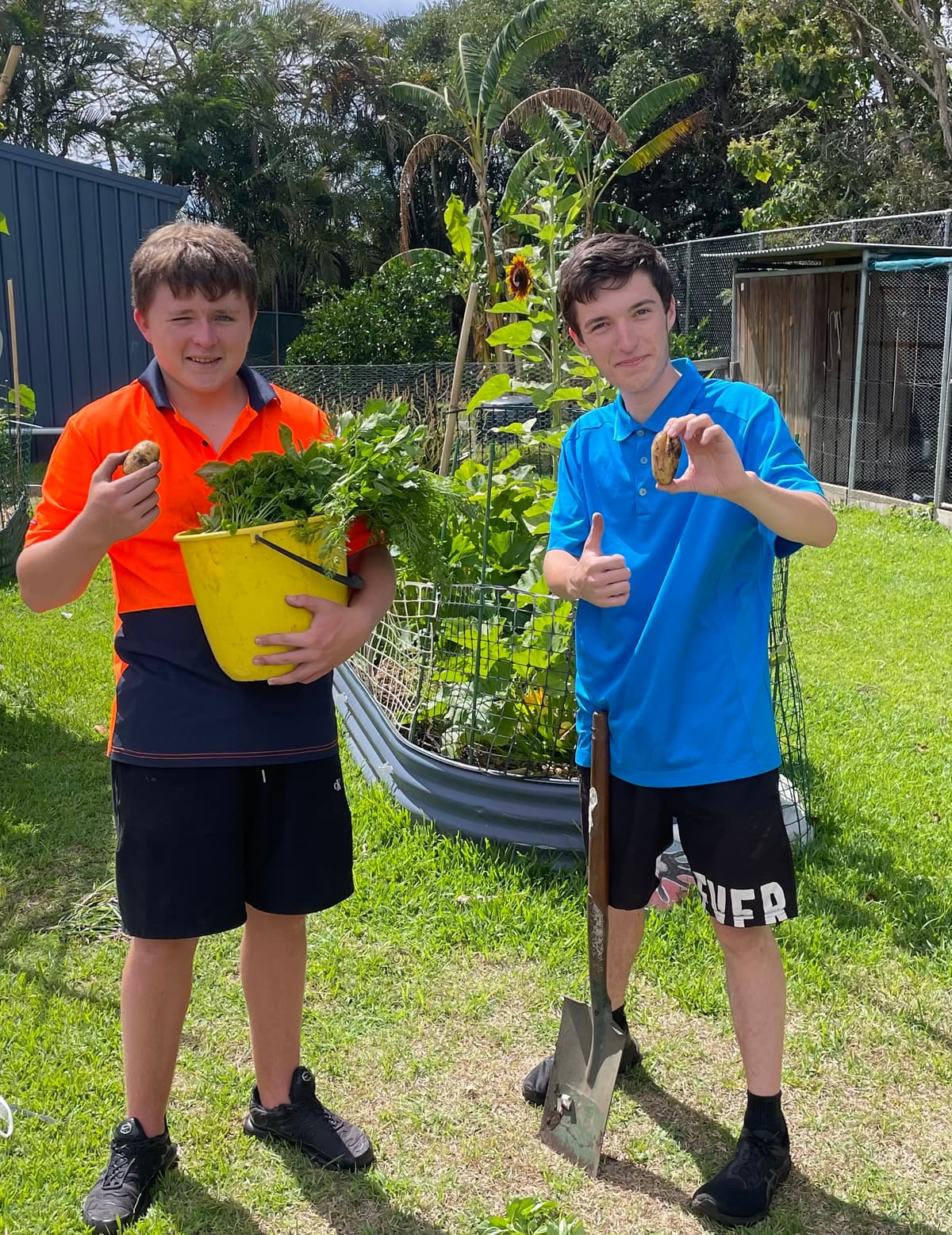
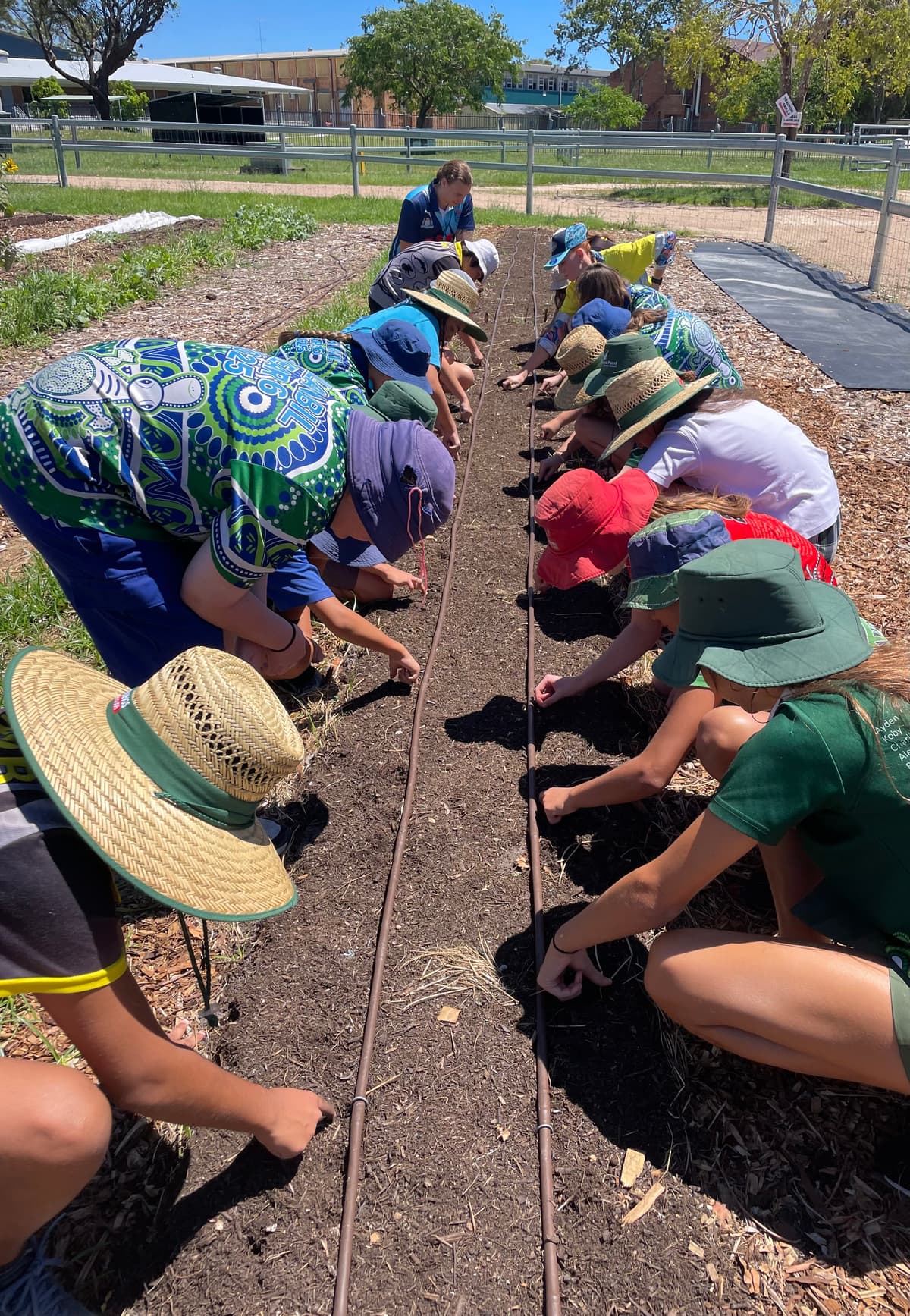
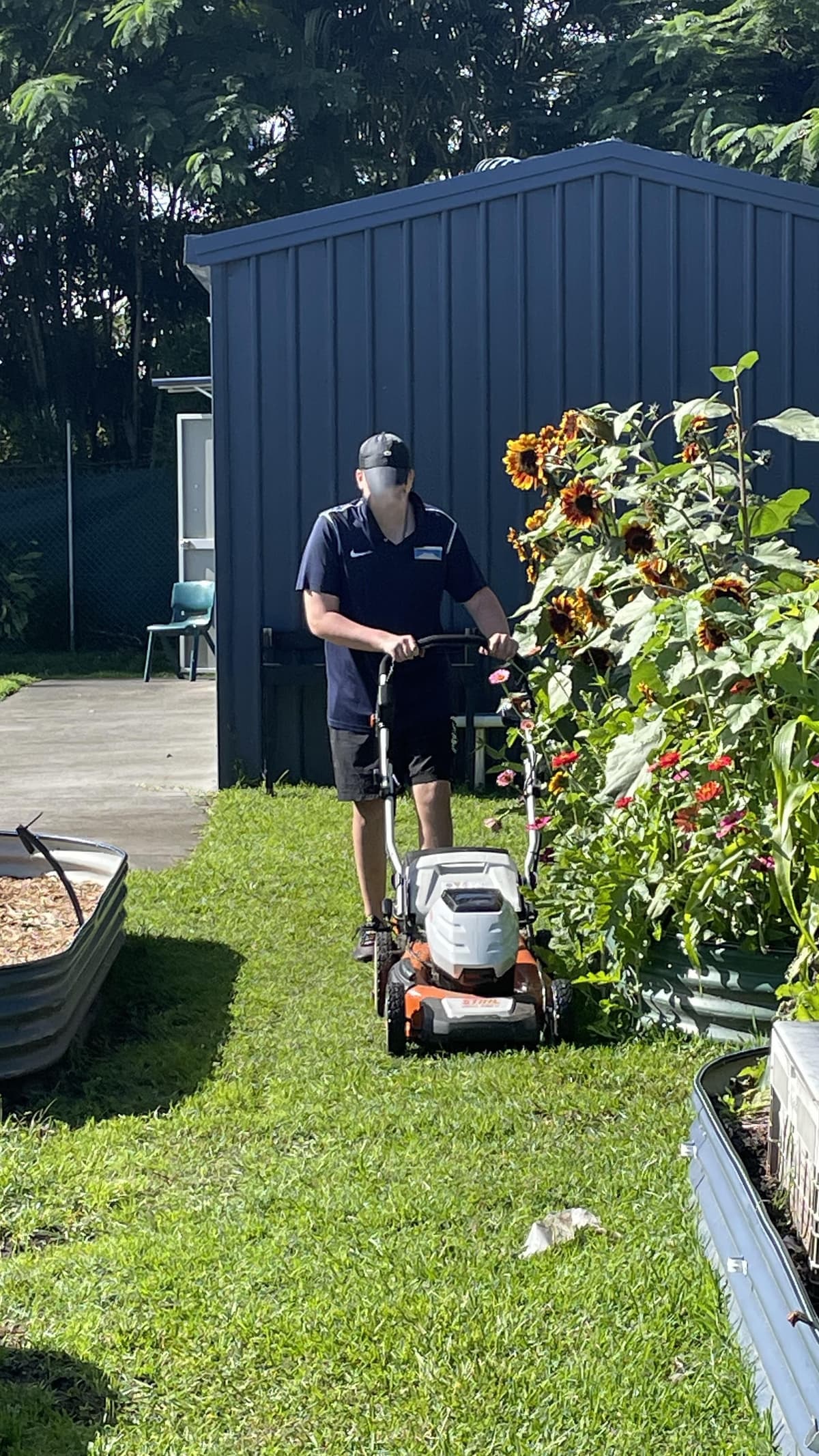
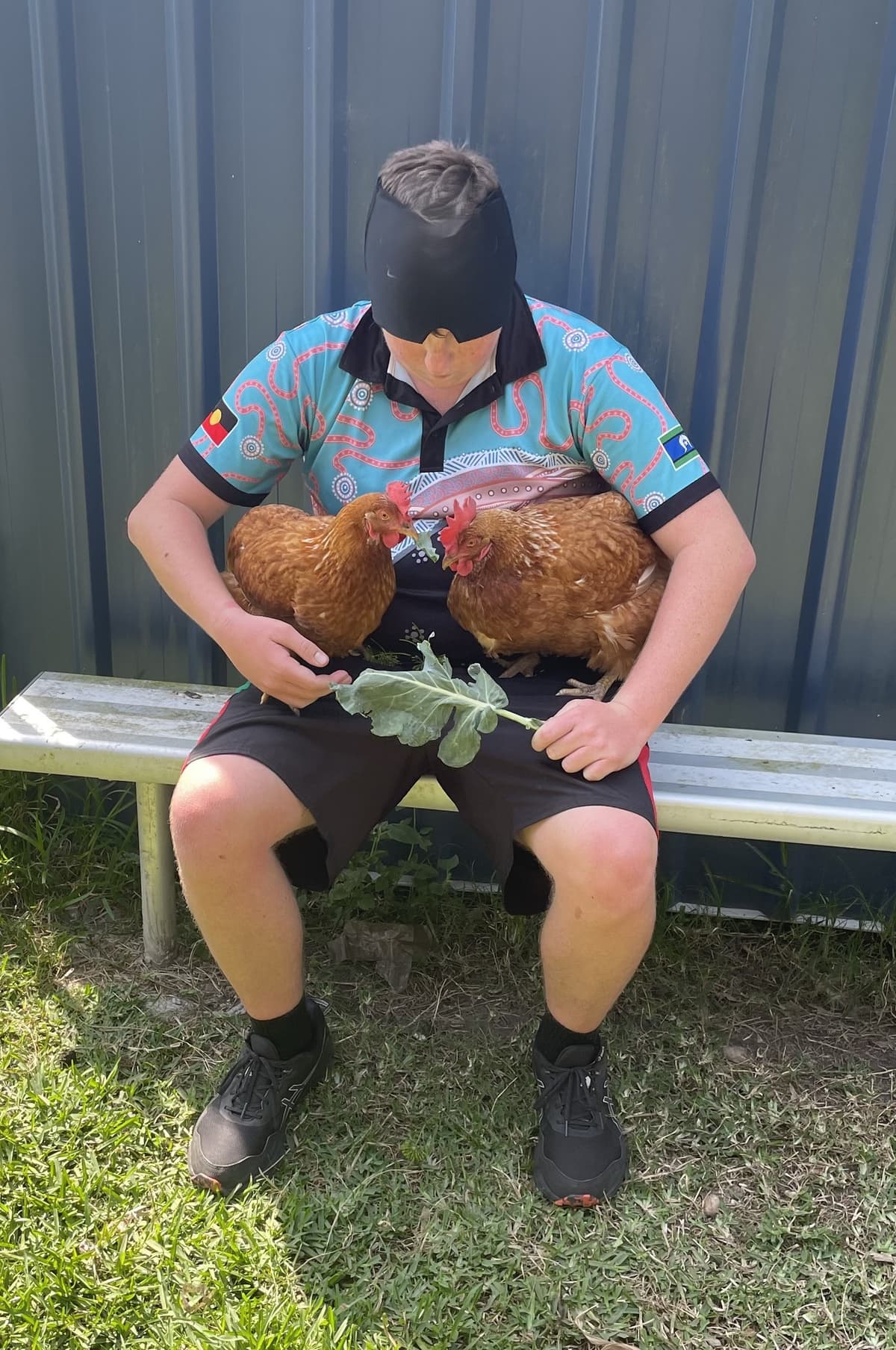
Students care for living systems, creating purpose, regulation and pride.
Learning through real work
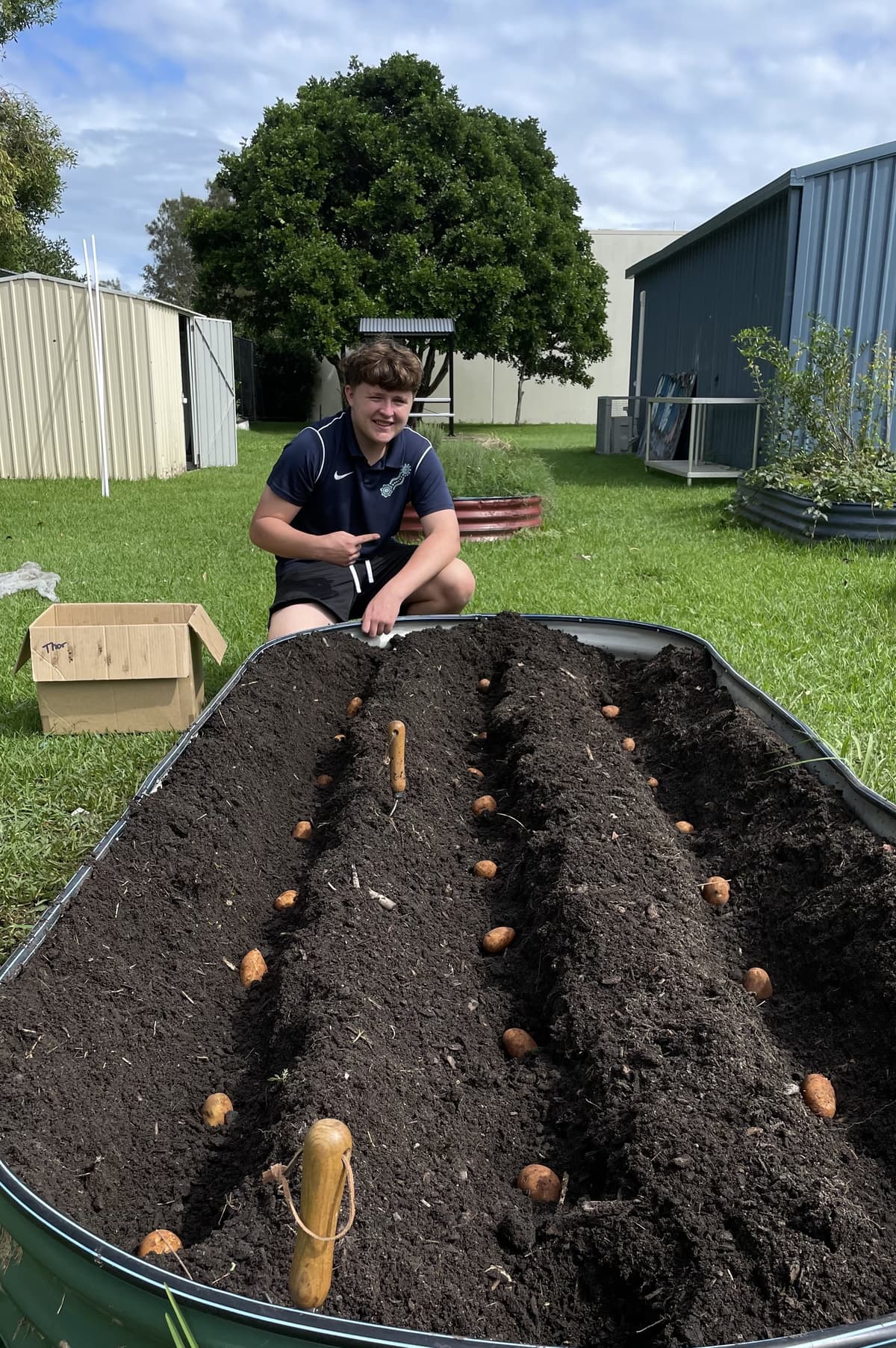
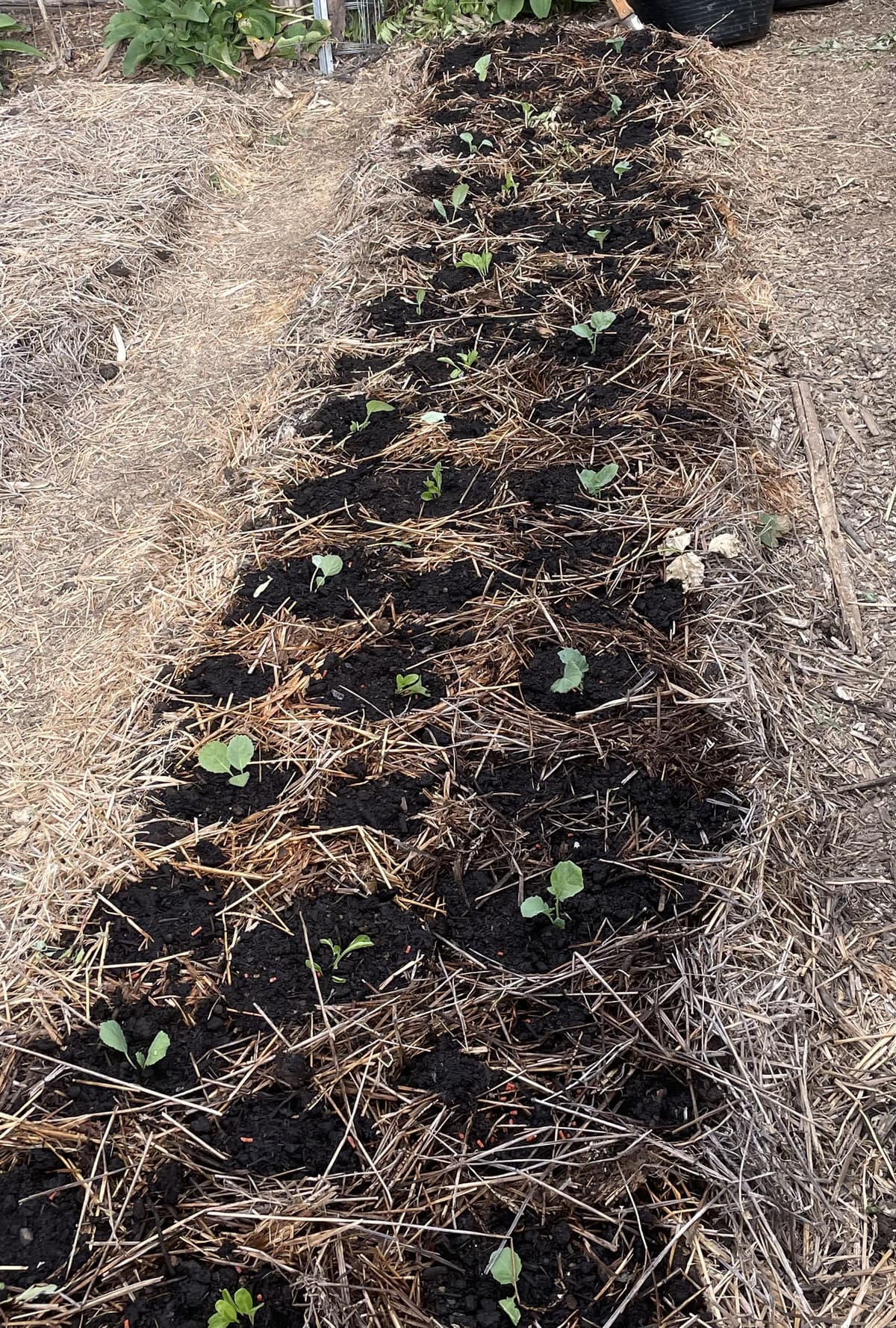
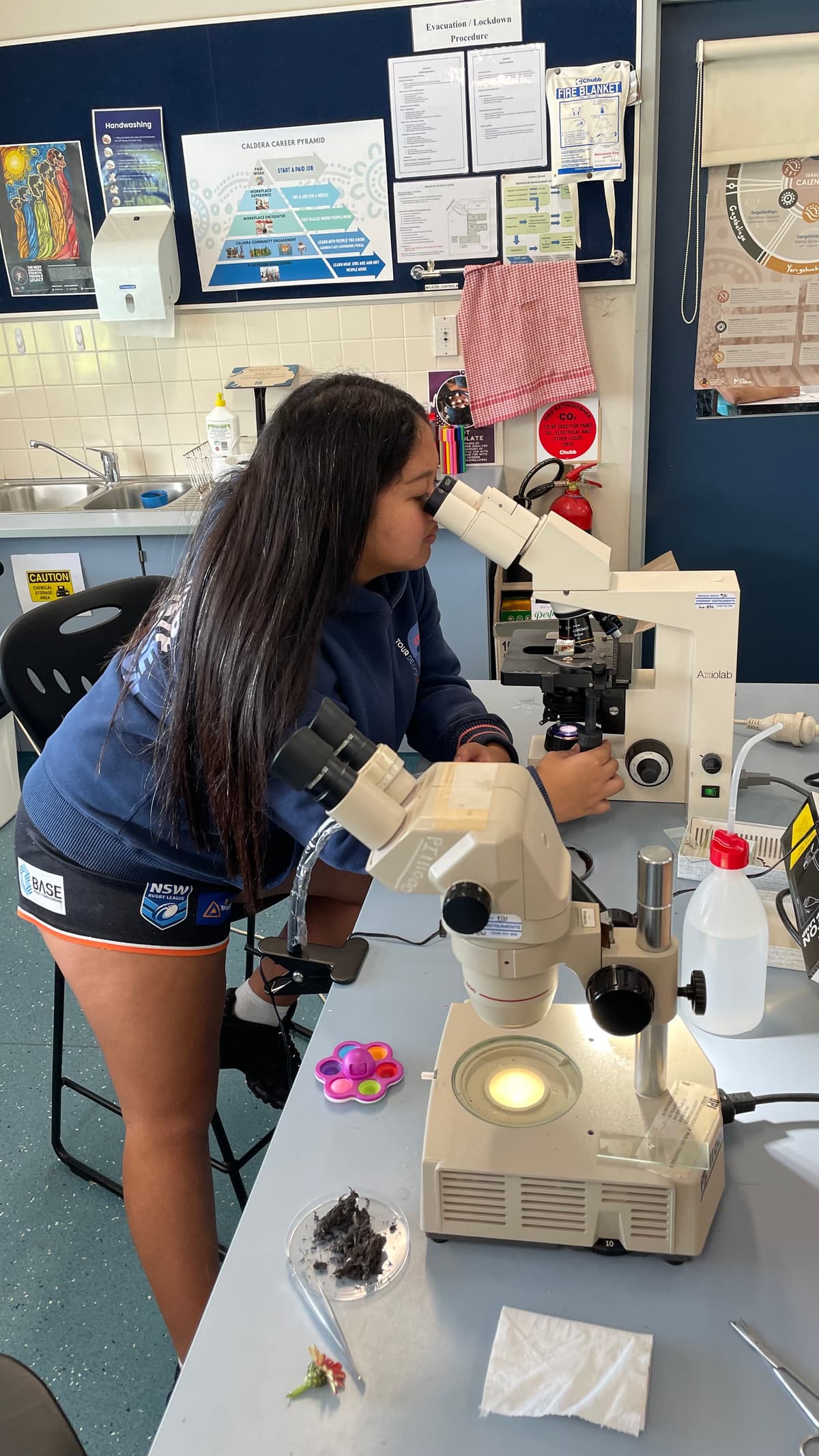
Curriculum concepts are embedded in practical tasks and tangible projects.
Consistency of relationships
Students work alongside the same adults, in the same environment, over time.
What a day holds.
Key staff planning and capacity building, aligned to curriculum and student support
Therapeutic and mindful gardening for Support Units
Student mentoring through shared work and responsibility
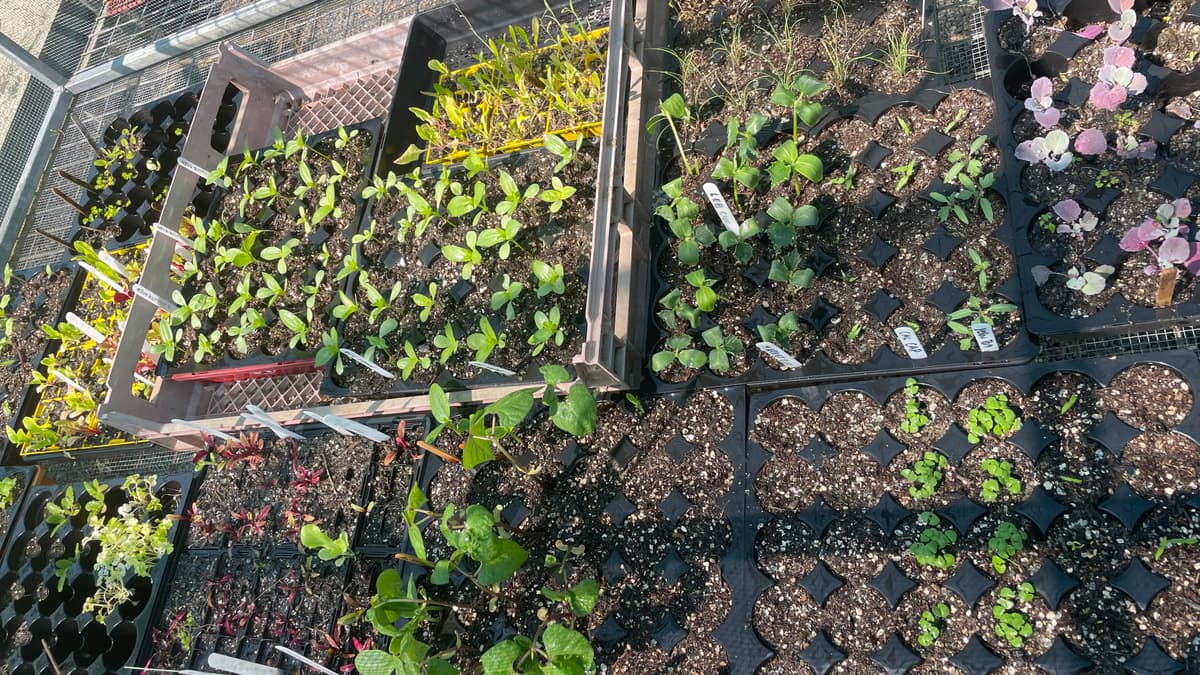
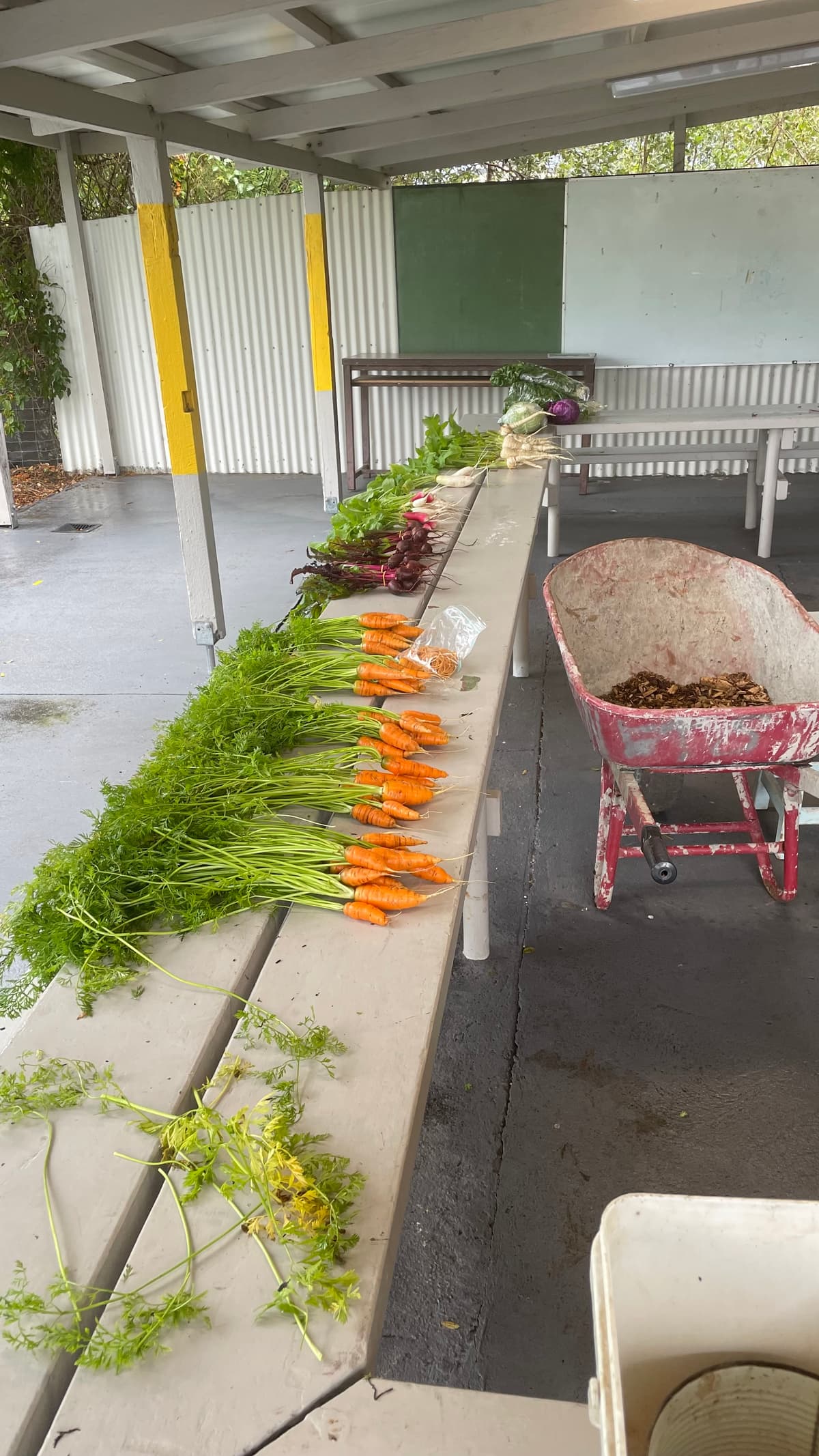
Curriculum-aligned agriculture and outdoor learning for Years 7–12
Staff wellbeing and reflective practice
- Science
- Agriculture
- PDHPE
- Design & Technology
- English
- Creative Arts
- Humanities
What grows from it.
- Improved engagement, regulation and confidence
- Development of practical skills and positive behaviours
- Increased sense of purpose and belonging
- Increased capacity to support inclusive, experiential learning
- Improved confidence working with disengaged students
- Reduced pressure through shared, practical approaches
- Stronger school culture and relationships
- Effective use of outdoor learning environments
- Alignment between wellbeing, curriculum and behaviour support
Program delivery models and investment levels are tailored to each school and discussed following an expression of interest.
Seb brings a unique blend of expertise, compassion and adaptability. With strong rapport-building skills and deep agronomic knowledge, he creates engaging, hands-on experiences that inspire curiosity and connection for some of our most at-risk and disengaged young people. His program has made a profound and lasting impact.
From the journal: a guide for school leaders and why hands-on garden learning re-engages disengaged students.
Good to know.
From half a day to a full day per week, over one school term. It runs on-site, using your existing or a purpose-built garden and farm environment.
Years 1–12, Support Unit cohorts, and the teaching and support staff who work alongside them. Delivery is planned with your school leadership and wellbeing teams.
No. Rather than operating as an add-on, the program integrates curriculum, wellbeing and staff practice into a single on-site model, and part of every day is key staff planning and capacity building aligned to curriculum and student support.
Science, Agriculture, PDHPE, Design & Technology, English, Creative Arts and Humanities.
Program delivery models and investment levels are tailored to each school and discussed following an expression of interest.
Bring it to your school.
Delivery models and investment are tailored to each school and discussed after an expression of interest.