

Bringing nature-based learning on-site: a guide for school leaders
A practical guide for principals, deputies and wellbeing leads on running an on-site garden or farm program that supports learning, wellbeing and behaviour without adding staff workload.
Most school leaders I meet don’t need convincing that time outdoors is good for young people. What they need is a clear-eyed answer to a harder question: can an on-site garden or farm program actually work in our school, with our timetable, our budget and our already-stretched staff? This guide is written for principals, deputies and wellbeing leads who are weighing exactly that. It is honest about what nature-based learning takes to run well, and just as honest about what it does not require, namely, more from your teachers.
Start with the outcome, not the garden bed
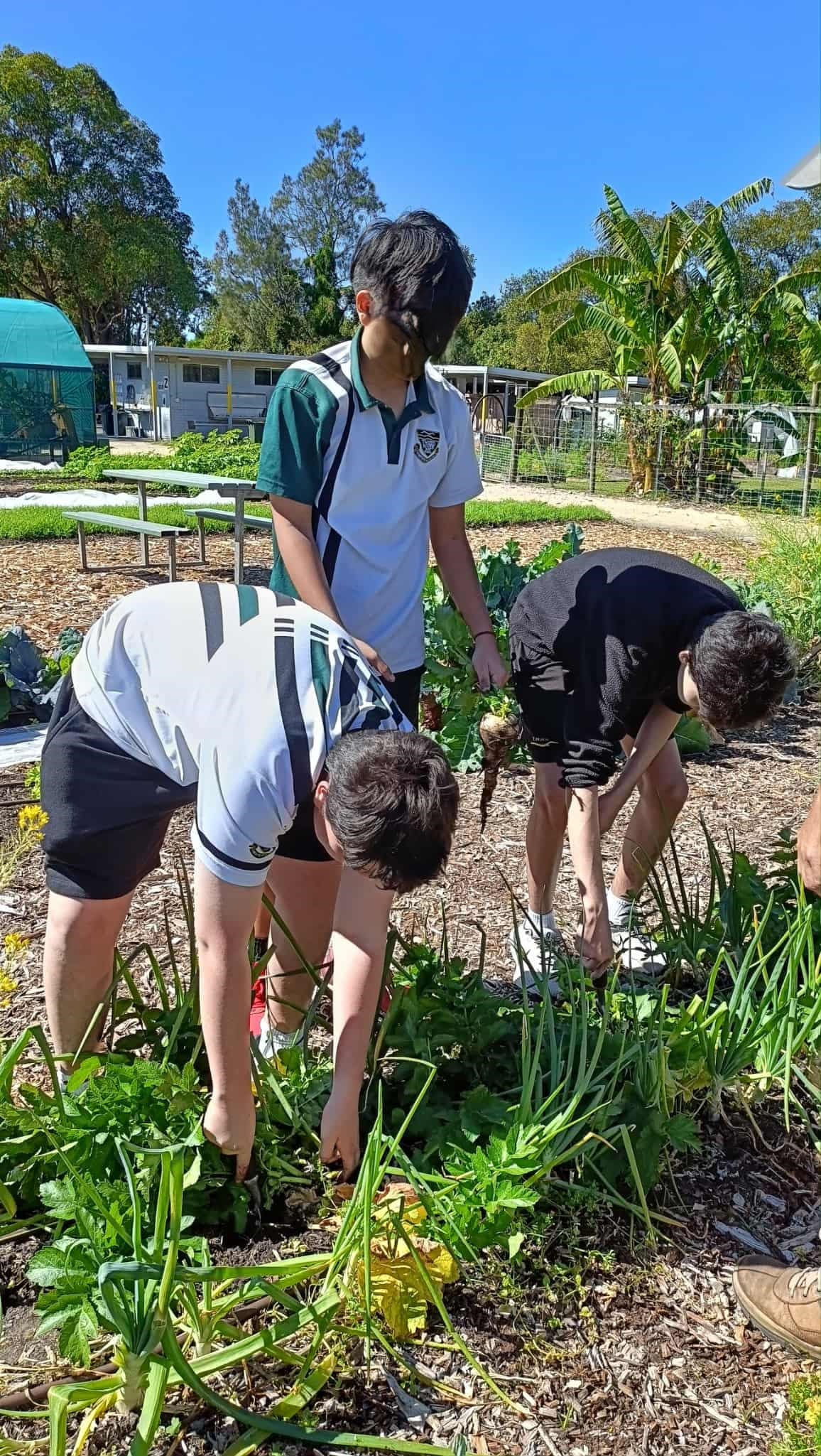
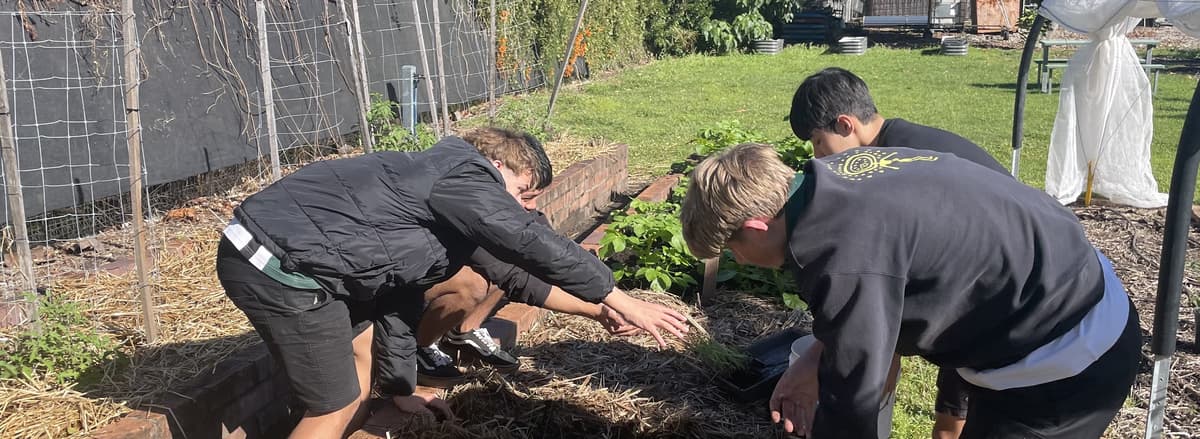
It’s tempting to picture a nature-based program as a physical project: raised beds, a few chickens, a shade structure. But the garden is the setting, not the point. The point is what happens to a student when learning moves outside the four walls of a classroom and becomes something they do with their hands, at their own pace, alongside other people.
The research base here is genuinely encouraging. A 2025 study published in Frontiers in Psychology found that therapeutic horticulture supported both student wellbeing and academic resilience. A broader systematic review of school gardens concluded they improve student engagement in learning and support curriculum integration alongside psychological and social benefits. And a cluster randomised controlled trial of the TX Sprouts garden intervention reported a 6.5-percentage-point lift in fourth-grade reading scores compared with control schools, modest, but real, and from a rigorous design.
The clearest pathway researchers describe is school bonding: students who feel more connected to their school care more about being there, attend more reliably, and engage in the behaviours school rewards.
That is why I’d encourage leaders to begin by naming the outcomes that matter most to you, engagement, attendance, regulation, belonging, science and sustainability learning, and let those shape the program, rather than starting with a wish list of infrastructure.
“Won’t this add to my teachers’ workload?”
This is the objection I hear first, and it’s the right one to raise. The honest answer is that a program can add workload if it’s handed to a willing teacher as one more thing to coordinate. That’s not how our School Program is designed to run.
The model that works is partnership, not delegation. We bring the facilitation, the planning, the seasonal know-how and the duty of care for the sessions themselves. Your staff are not asked to become gardeners or to write new units in their own time. In practice that looks like:
- We facilitate the sessions, leading the group, managing the activity and holding the therapeutic and behavioural frame.
- We supply the structure, a scope and sequence mapped to your priorities, so it isn’t reinvented each term.
- Teachers stay teachers, present, connected to their students, and often noticing kids in a completely new light, but not carrying the prep.
Done this way, the program tends to reduce friction for staff rather than add to it, because the students who are hardest to reach in a classroom are frequently the ones who come alive outside it.
Fitting it into curriculum, wellbeing and behaviour support
One of the strengths of nature-based learning is that it doesn’t have to compete with your existing priorities: it can carry several at once. A single weekly session can legitimately serve:
- Curriculum, hands-on science, sustainability, food systems, and rich, real-world writing and maths prompts.
- Wellbeing, regulation, mindfulness in a sensory-rich setting, and the quiet confidence that comes from growing something successfully.
- Behaviour support, a different context in which a dysregulated student can experience success, and staff can build relationship without the pressure of academic performance.
For schools focused primarily on the wellbeing and regulation side, our Therapeutic Garden Program goes deeper into that therapeutic frame, and individual students can also be supported through community sessions.
Measuring outcomes so you can defend the investment
If you’re going to put a program in front of your community and your budget, you’ll want evidence it’s working. Build measurement in from the start, it needn’t be onerous:
- A short before-and-after wellbeing or mood check around sessions.
- Attendance and engagement data for participating students, compared with their own baseline.
- Brief teacher observations on regulation and peer connection.
Simple instruments tell a real story. In our work with the Kamala Child & Adolescent Mental Health Unit at Lismore Base Hospital, a before-and-after survey of a single therapeutic garden session found 100% of participants improved to a “good” or “great” mood. Those reporting a “great” mood rose from 6% to 50%, and “low” or “average” ratings dropped to zero. One session. That’s the kind of plain, credible data a wellbeing lead can take to a leadership meeting.
Space, cost and the “another initiative” worry
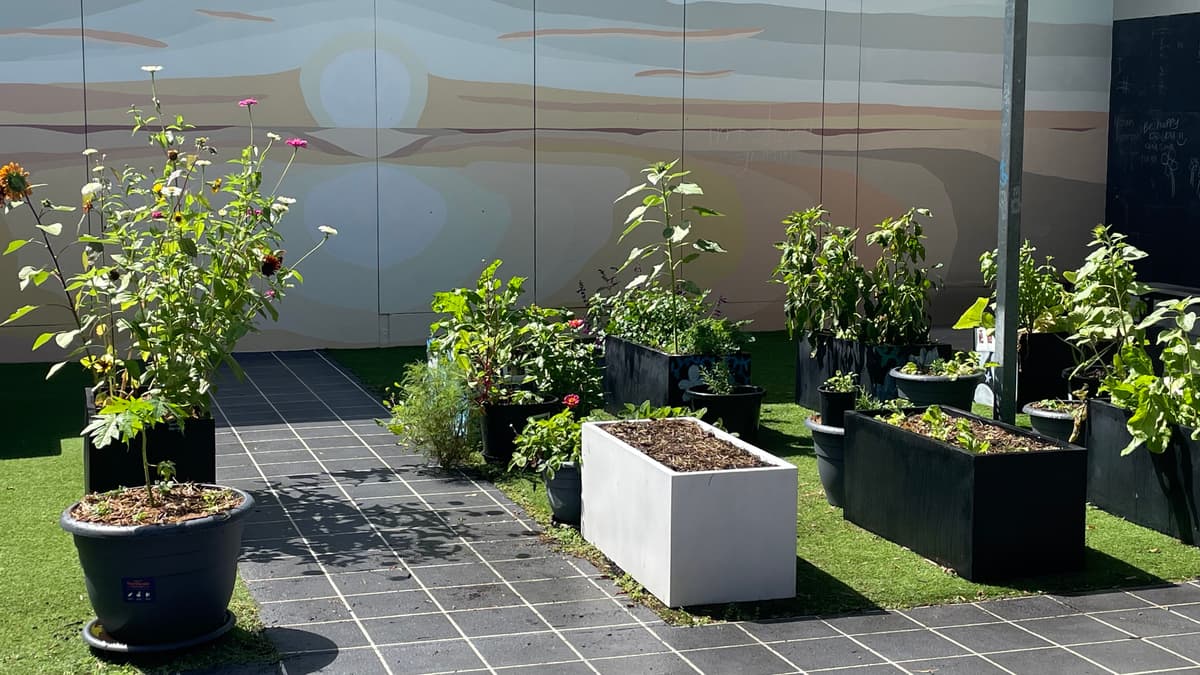
Space is usually less of a barrier than leaders expect. You don’t need acreage. A modest, sunny patch with access to water is enough to begin; programs can also run partly off-site or scale gradually as confidence grows.
Cost deserves a straight answer too. A facilitated program is an investment, but it’s worth weighing against what it offsets, the cost of disengagement, of behaviour incidents, of students who simply don’t want to be at school. Many schools fund it through wellbeing, equity or sustainability budgets, and we’re happy to talk through options that fit your context.
The deepest objection is often the unspoken one: not another initiative. Staff are tired of programs that arrive with fanfare and quietly disappear. The antidote is to start small and deliberately. A single class or a small group, one term, with measurement attached. Let the results, and the students themselves, make the case for going further.
How to start: an expression of interest
You don’t need a finished plan to begin a conversation. The simplest first step is an expression of interest: tell us your school, the cohort you’re thinking about, and the outcomes you care about most. From there we’ll talk through what’s realistic for your site and timetable, with no obligation to commit.
If a program for your school sounds worth exploring, book a call or get in touch, and we’ll work out, honestly, whether nature-based learning is the right fit for your community.
- school program
- education
- wellbeing
- curriculum
- leadership